Introduction
Achieving a degree surface on your home is not just a visual option; it's a necessity for different jobs, from building construction to landscaping. Whether you're planning to install a brand-new driveway, develop a garden, or plan for an architectural structure, understanding grading fundamentals is important. This article will certainly serve as an extensive overview to grading techniques, tools, and methodologies that guarantee your residential or commercial property is well-prepared for whatever comes next.
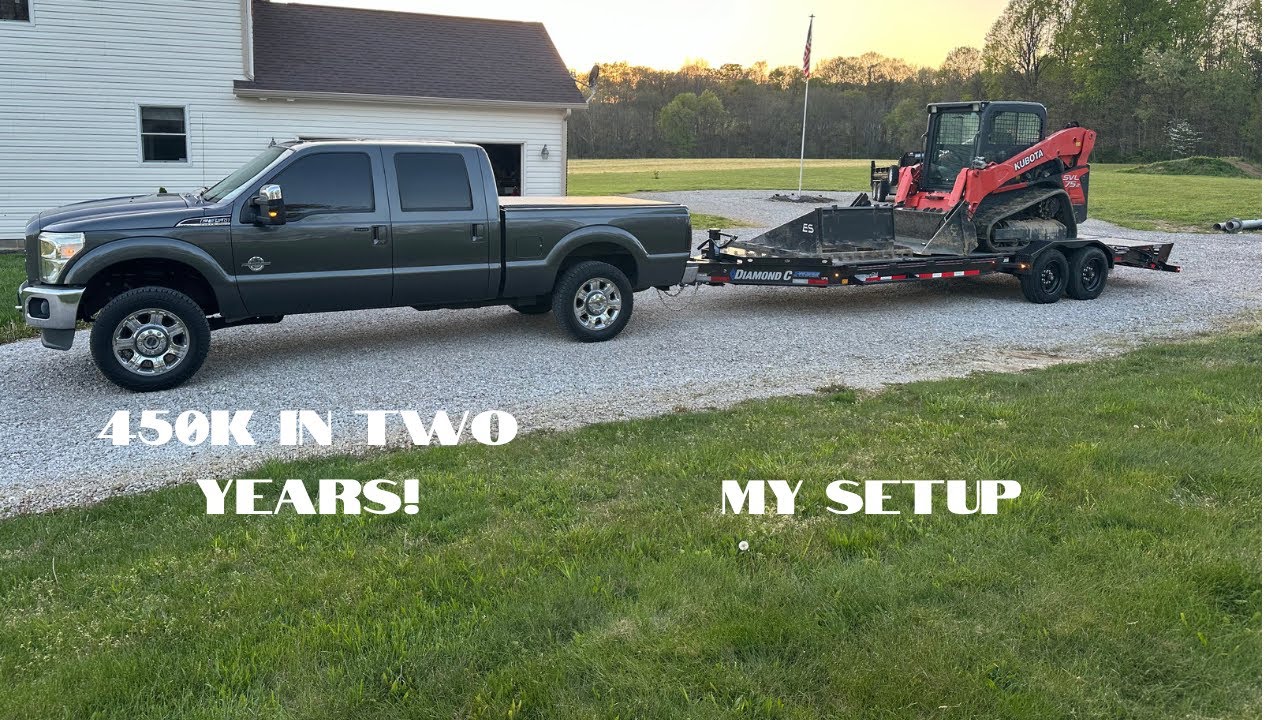
Grading Basics: Exactly how to Attain a Level Surface Area on Your Property
Grading refers to the procedure of leveling the ground's surface area by cutting and filling dirt. It includes excavators, skid steers, and various other hefty machinery to manipulate the earth as though it ends up being also and suitable for growth or landscape design. In this section, we will certainly dive deeper into what grading requires and why it is vital.
What Is Grading?
Grading includes several procedures focused on altering the surface of the land. The key goal is to create a flat or gently sloped area where water can drain properly without merging. Badly rated land can bring about water build-up, erosion, and various other concerns that may compromise structures and landscapes.
Why Is Grading Important?
Water Drainage: Correct grading guarantees that water moves far from structures. Aesthetic Appeal: Level surface areas enhance the visual appeal of properties. Foundation Stability: A degree structure helps maintain architectural integrity. Erosion Control: Well-graded land lessens soil erosion. Land Development: Necessary for new building and constructions like roadways and buildings.Understanding Various Grading Techniques
There are various strategies used in grading depending on the details demands of the project. Allow's explore a few of these methods:
Cut and Load Method
This technique entails eliminating dirt from one location (cut) and utilizing it to load an additional area (fill). It works for developing level surface areas yet calls for mindful estimation to keep balance.
Excavation Grading
Using heavy machinery such as excavators enables deep cuts right into the ground where required. Excavation grading is commonly used when substantial soil elimination is required.
Skid Guide Grading
Skid steers are functional equipments suitable for smaller sized projects or tighter rooms where bigger equipment can not maneuver quickly. They are specifically helpful in household settings.
Essential Equipment for Reliable Grading
To attain ideal lead to your grading job, you'll require details tools customized for various tasks:
Excavators
These are crucial for moving big quantities of planet swiftly and efficiently. They come equipped with various add-ons like buckets and blades tailored for cutting and leveling.
Skid Steers
Skid steers deal versatility in restricted spaces while being effective sufficient for various dirt work jobs. Their flexibility makes them essential in both industrial and property applications.
Bulldozers
Heavy-duty bulldozers are best for pressing large quantities of dust over fars away, making them ideal for large grading projects.
Steps Associated with Attaining a Degree Surface
Creating a level surface area on your building calls for careful planning https://markslandclearing.com/ and implementation:
Step 1: Planning Your Project
Before diving right into grading job, you need to strategy:
- Identify areas needing leveling Determine water drainage patterns Consider local laws pertaining to land changes
Step 2: Site Preparation
Clear the site of any kind of particles or challenges using forestry mulching or bush hogging methods if needed. These approaches are effective at removing unwanted plants before grading begins.
Step 3: Noting Your Area
Use risks and string lines to mark areas that require cutting or filling up. This helps imagine the wanted grade before equipment obtains involved.
The Duty of Dirt Types in Grading Projects
Understanding various dirt types can substantially influence your grading task's success:
Clay Dirt vs Sandy Soil
- Clay Soil: Harder to deal with; maintains moisture which can make complex drainage. Sandy Soil: Easier to quality; drains pipes well yet may require added measures to stop erosion.
Common Difficulties During Grading Projects
Even experienced specialists come across difficulties when leveling surface areas:
Soil Compaction Issues
Compacted soil can be hard to grade effectively given that it stands up to adjustment by heavy machinery. It's essential to examine compaction levels before beginning any kind of work.

Drainage Troubles Post-Grading
If water drainage isn't effectively resolved throughout grading, you might end up with pooling water post-rainfall-- a scenario you want to avoid!
Safety Procedures While Grading Your Property
Safety ought to never take a rear seat during any building and construction job:

Wearing Protective Gear
Always wear handwear covers, hard hats, safety goggles, and boots when running equipment or working near excavation sites.
Checking Tools Regularly
Ensure that all equipment like excavators and skid steers go through normal maintenance checks before use.
FAQs About Grading Fundamentals
What kind of tools do I require for small-scale grading?
For small jobs, skid guides are generally enough due to their portable size and versatility.
How long does a typical grading job take?
The duration depends on various variables including website size, soil type, weather conditions, and readily available resources.
Can I quality my building myself?
Yes! However, if you're not experienced with heavy machinery or site assessment, working with experts may be advisable.
How do I determine if my land requires grading?
Look out for indicators like uneven surfaces, bad drain after rainstorms, or disintegration issues around your property.
What's the very best season for grading?
Late spring via very early loss usually provides dry weather perfect for a lot of earth-moving activities.
li16/ol2/hr9hr9/##
Conclusion
Grading fundamentals incorporate various facets from comprehending methods like cut-and-fill approaches to choosing proper equipment such as excavators and skid guides for efficient dirt work. Ensuring correct preparation not only improves looks yet also plays an integral duty in preserving stability and preventing future complications like disintegration or bad drainage systems on your property.
By understanding these basics-- together with using practices such as forestry mulching or bush hogging-- you're setting yourself up in the direction of attaining that sought after degree surface you have actually visualized! So roll up those sleeves-- your journey towards a perfectly leveled landscape awaits!